 For foreign visitors
Planning your first trip to northern Pakistan: a guide for foreign visitors
TourScope team · 7 November 2026 · 3 min read
Photo: Daniel Born / Unsplash
Five of the world's 14 highest mountains, legendary hospitality and roads that feel like an adventure in themselves. What foreign travellers should know before visiting northern Pakistan.
Northern Pakistan is home to an astonishing concentration of high mountains. Five of the world's 14 peaks above 8,000 metres are here, including K2, the second-highest mountain on Earth. Where the Karakoram, the Himalaya and the Hindu Kush meet, you'll find glaciers, alpine meadows, ancient Silk Road towns and some of the friendliest people you'll ever meet. Here's what to know before your first visit.
Visas and paperwork
Most foreign visitors need a visa, which can be applied for online through the Government of Pakistan's official visa portal. Rules, fees and processing times vary by nationality and change from time to time, so always check the official website before you book flights. Some border areas and mountaineering peaks need extra permits. A licensed tour operator can tell you what's required for your route and arrange it for you.
How to get around
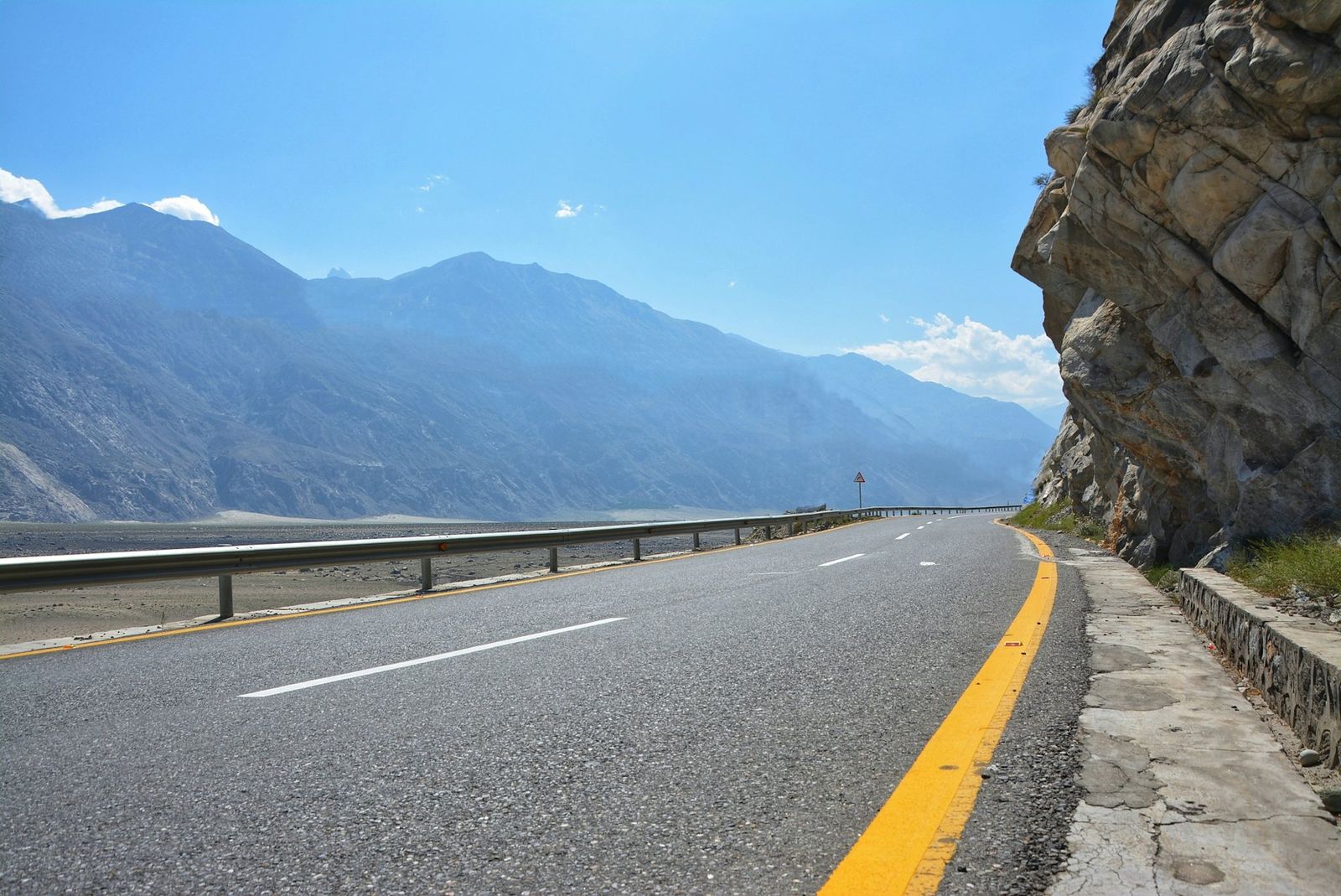
Most international visitors arrive in Islamabad. From there, the main way north is the Karakoram Highway, which follows the Indus and Hunza rivers all the way to the Chinese border. Driving is spectacular but slow: allow a full two days to reach Gilgit or Hunza by road.
Domestic flights to Gilgit and Skardu save a lot of time, but they're only operated in good weather and are often delayed. Keep a buffer day or two at the end of your trip in case you need to drive back instead.
Roads in the mountains can be closed by landslides, snow or flooding. Check our Road news page for current conditions, and never drive mountain roads at night.
When to go
- Late spring to early autumn (May–October) is the main season for the north. High passes like Babusar and Khunjerab are usually open and treks are accessible.
- June to August is peak trekking and mountaineering season, including the trek to K2 Base Camp.
- April and October are wonderful for blossom and autumn colours, with fewer crowds.
- Winter brings snow and closures in the high north, but cities like Lahore and Islamabad are pleasant.
Highlights for a first trip
- Hunza Valley: turquoise Attabad Lake, Baltit and Altit forts, and views of Rakaposhi and the Passu Cones.
- Skardu and Baltistan: the gateway to K2 and the Baltoro Glacier, with lakes, deserts and the high Deosai plains nearby.
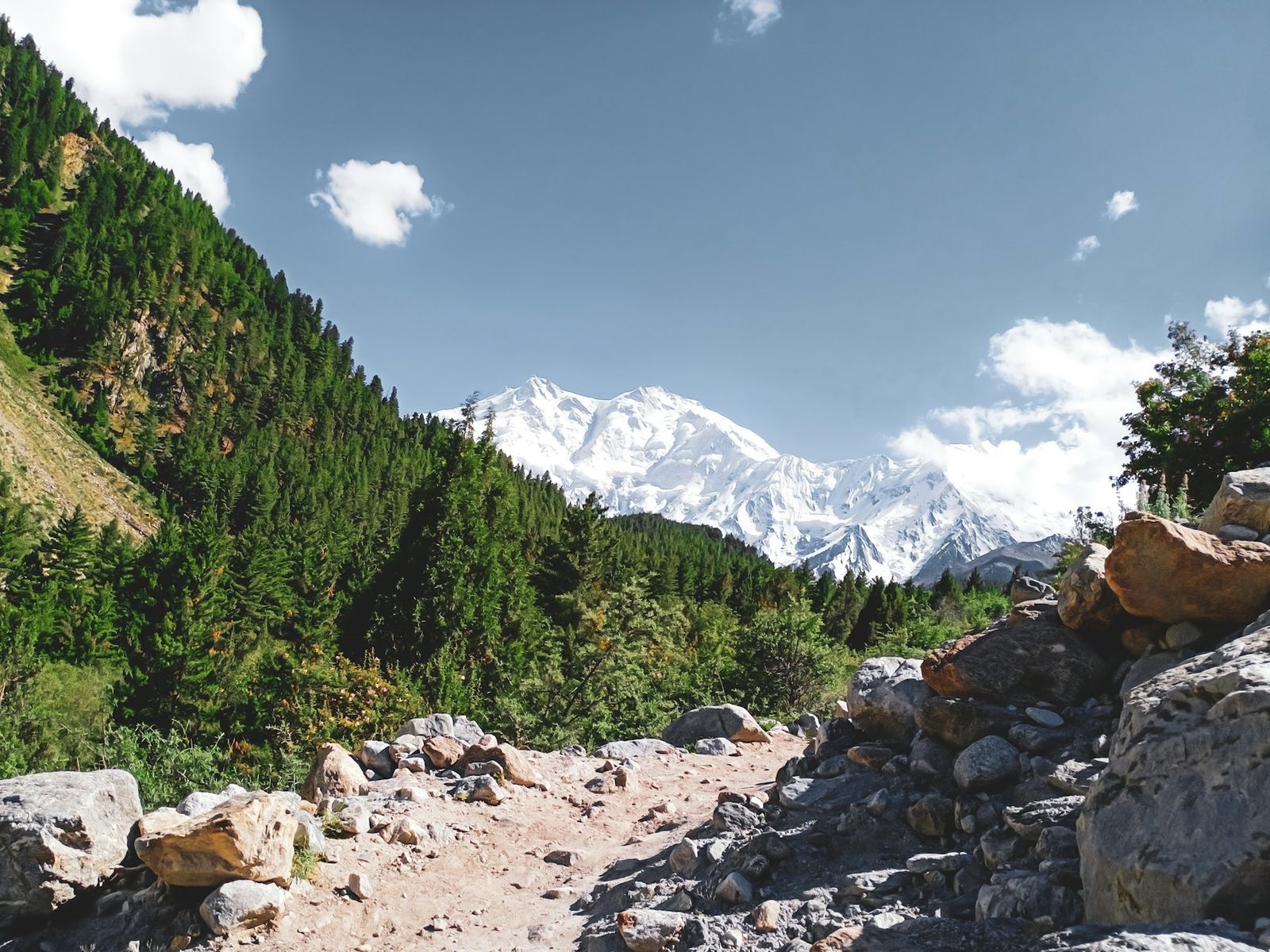
- Fairy Meadows: an alpine meadow with one of the best views of Nanga Parbat, the ninth-highest mountain in the world.
Money, phones and connectivity
- Cash is king in the north. Bring enough Pakistani rupees, as ATMs in small towns can be unreliable and cards aren't widely accepted.
- Local SIM cards are available in cities. Foreigners can register one with their passport. Coverage in remote valleys is patchy, so tell people your plans.
- Electricity can be intermittent in mountain areas, so a power bank is useful.
Culture and etiquette
Pakistanis are famously hospitable, and you may often be invited for tea. A few simple courtesies go a long way:
- Dress modestly: loose clothing that covers shoulders and knees, for both men and women.
- Ask before photographing people, especially women.
- Remove your shoes before entering mosques and homes.
- During Ramadan, avoid eating or drinking in public during the day.
Health and safety
- Altitude: many destinations are above 2,500 metres. Ascend gradually, drink plenty of water and descend if you feel unwell.
- Travel insurance that covers trekking and emergency evacuation is strongly recommended.
- Check your government's travel advice for Pakistan before you travel, and register with your embassy if that service is offered.
Travel with a licensed operator
For a first trip, a licensed local operator makes everything easier: permits, transport, accommodation and guides who know the mountains. Browse tour companies for foreign tourists on TourScope, compare their DTS licences and traveller ratings, and contact them directly.