 Travel tips
Winter travel in Pakistan: where to go from November to February
TourScope team · 18 November 2026 · 7 min read
Photo: Muhammad Ayan Butt / Unsplash
Which roads and valleys close in winter, where you can still find snow, the best warm-weather trips in Sindh, Punjab and on the coast, and practical tips on fog, smog, flights and clothing.
Winter changes Pakistan completely. From November to February the high passes fill with snow, the famous summer valleys go quiet, and the plains of Sindh and Punjab finally become comfortable to explore. Plan well and winter is one of the best times to travel. Plan badly and you can spend a day stuck behind a closed road or a grounded flight.
This guide covers what is closed, where you can still find snow, where to go for sunshine instead, and the practical things that catch winter travellers out.
What is closed or snowbound in winter
Several of the north's best-known routes are summer only. Expect these to be shut or out of reach for most of the season:
- Babusar Pass: the road from Naran over Babusar Top to Chilas usually closes around November and reopens in late May or June once the snow is cleared. Recent winters have closed it for six to seven months.
- Khunjerab Pass: the Pakistan–China border crossing at the top of the Karakoram Highway normally closes from 1 December to 31 March each year. You can still drive the KKH through Hunza, but not over the pass.
- Deosai Plains: the high plateau between Skardu and Astore is only open in summer, roughly June to September. In winter it is deep in snow.
- Shandur Pass: the road between Chitral and Gilgit over Shandur is cut by snow in winter and usually reopens in spring.
- Upper Kaghan: in recent winters the road has been open as far as Naran or Mahandri at best, with everything beyond closed. Heavy snow can shut it lower down.
- Kalam and beyond: Kalam town in Swat is reachable in most weather, but the valleys and lakes above it, such as Mahodand and the Ushu forest road, are snowbound. Treat anything beyond town as a summer trip.
Closure dates shift every year with the weather, so check our Road news page before you plan a route.
Snow you can actually reach
Malam Jabba, Swat
Malam Jabba is Pakistan's best-known ski resort, about 40 km from Saidu Sharif in Swat, with its top point at roughly 2,800 metres. It has a chairlift (rebuilt and reopened in 2016), a main ski slope and a skating rink. The ski season is short: snow usually arrives between late November and mid December and lasts until late February or early March, depending on the year. Even if you don't ski, the chairlift ride over the snow is popular with families. For more on the valley, read our Swat Valley travel guide.
Naltar, near Gilgit
Naltar is Pakistan's oldest ski area, run by the Pakistan Air Force at around 3,200 metres in a pine-covered valley above Gilgit. It hosts the National Ski Championship and the Shah Khan Ski Cup, usually held in January or February, and has also hosted international alpine events. Dates are announced fairly late, so follow local news if you want to watch. The road up is steep and icy in winter, so you will need a 4x4 or a local jeep.
Murree, Nathia Gali and the Galiyat
The hill stations above Islamabad are the easiest snow trip in the country, a couple of hours from the capital in good conditions. Snow usually falls from December to February. The catch is crowds: on snowy weekends traffic can stop completely. In the 2025–26 winter, authorities closed the entry routes to Murree during a snowstorm, later let in only tourists with confirmed hotel bookings, and for a time banned tourists from Galiyat after landslides. Go on a weekday, book your room in advance, carry chains and a full tank, and check the Murree administration and Rawalpindi traffic police updates before you leave.
Hunza in winter
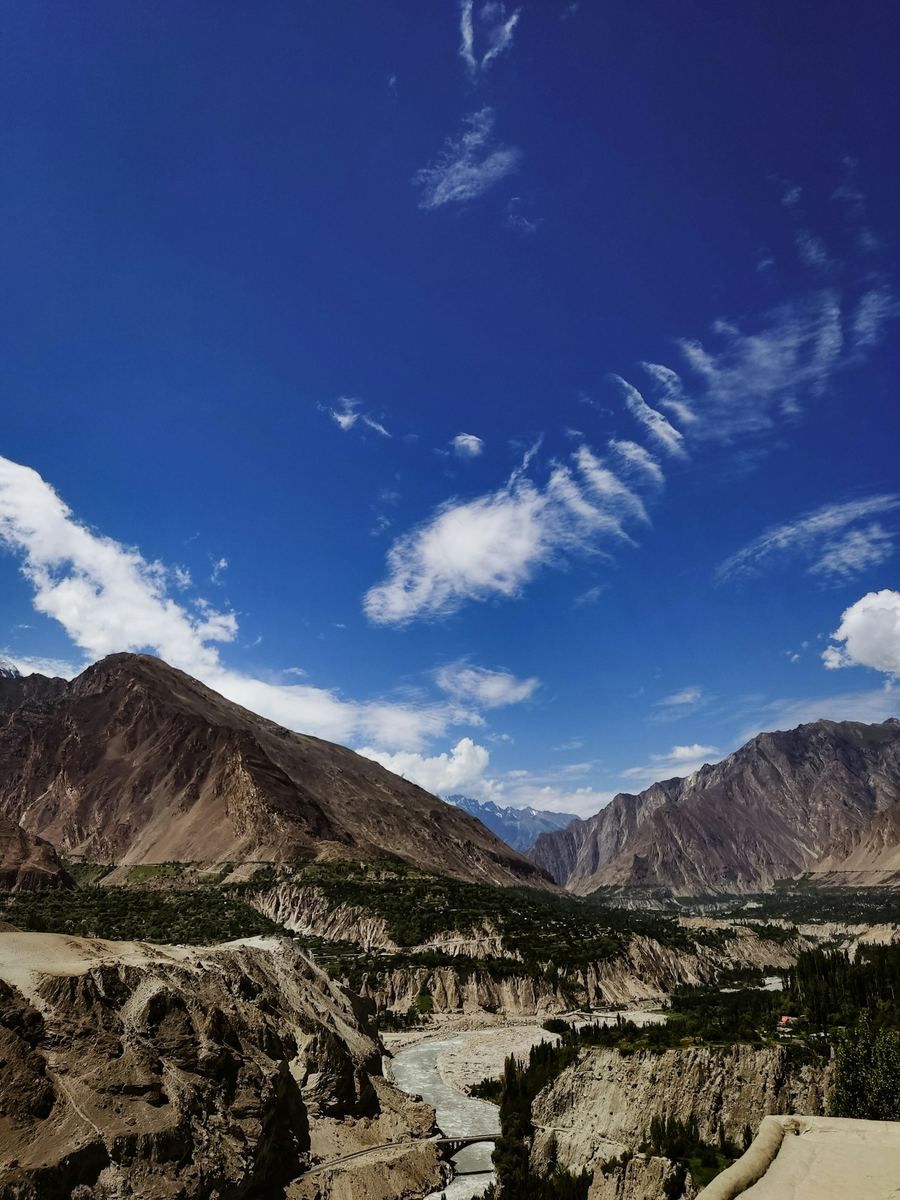
Hunza stays reachable in winter along the Karakoram Highway, although snow and landslides can still close sections for hours or days. The valley is quiet, cold and very beautiful, with clear views of the peaks and frozen water in Upper Hunza. Many hotels and restaurants close for the season, so book somewhere that confirms it is open and properly heated. Remember that Khunjerab is shut, so a winter trip ends around Sost. Our Hunza Valley first-timer's guide covers the basics.
Warm-weather winter trips
If you want sunshine rather than snow, winter is the best time of year for the south.
Sindh's heritage sites
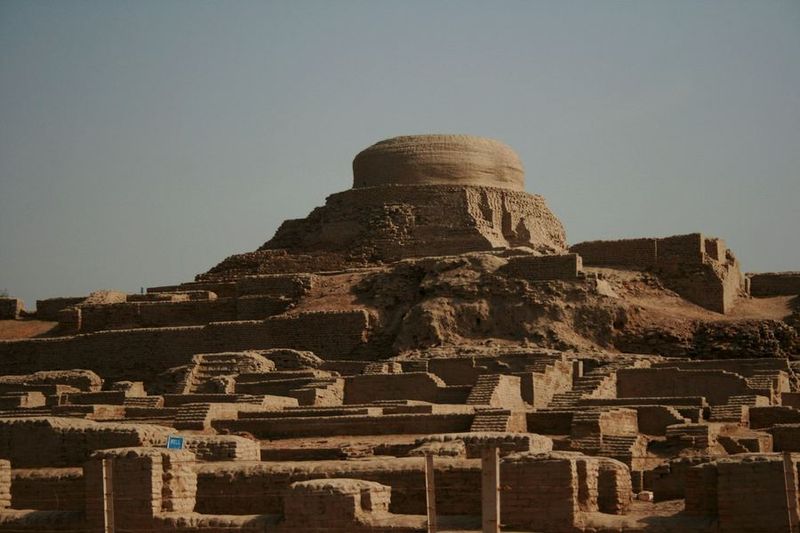
Summer heat in Sindh is brutal, but from November to February it is pleasant enough to walk around ruins all day. Mohenjo-daro, the great Indus Valley city near Larkana, is a UNESCO World Heritage Site and one of the oldest planned cities in the world. Makli, near Thatta and about 100 km from Karachi, is a vast hilltop necropolis of carved stone tombs, also on the UNESCO list. Read more in our guide to Sindh's ancient sites: Mohenjo-daro and Makli.
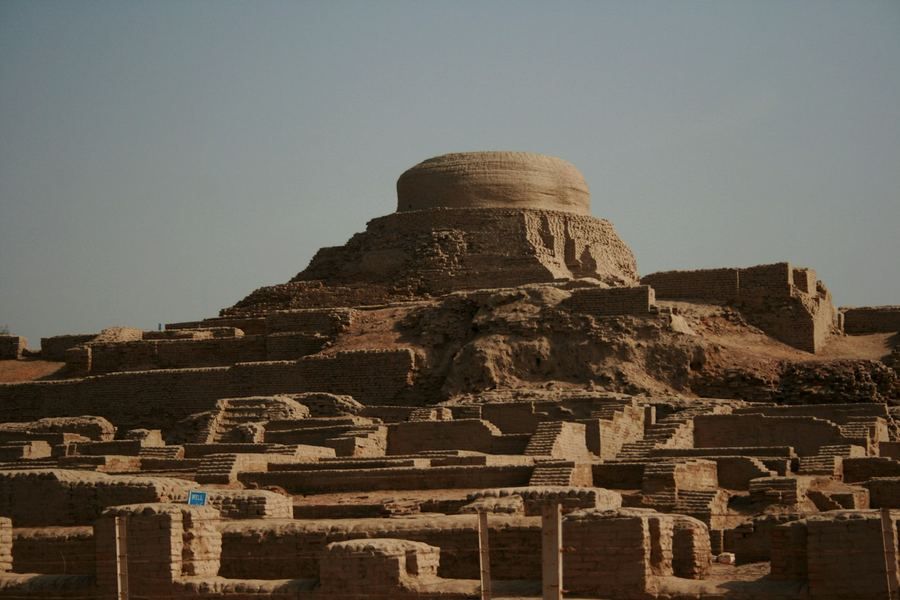
Karachi and the Makran coast
Karachi is mild in winter and makes a good base. From there the Makran Coastal Highway runs west through Hingol National Park, Pakistan's largest national park, to Kund Malir beach, about 240 km and roughly four hours from Karachi. On the way you pass the rock formation known as the Princess of Hope. Fill up on fuel and supplies before Zero Point, because services are sparse after it. Our Makran Coastal Highway road trip guide has the full route.
Lahore
Lahore is lovely in winter: cool days, street food and the Mughal monuments at their best. The big drawback is smog. It usually builds from late October and is often worst in November and December, and on bad days Lahore's air quality index climbs to hazardous levels. Check the Punjab government's AQI readings before you go, carry a good mask, and keep outdoor sightseeing flexible. See our guide to Lahore's Mughal heritage.
Islamabad's Margalla Hills
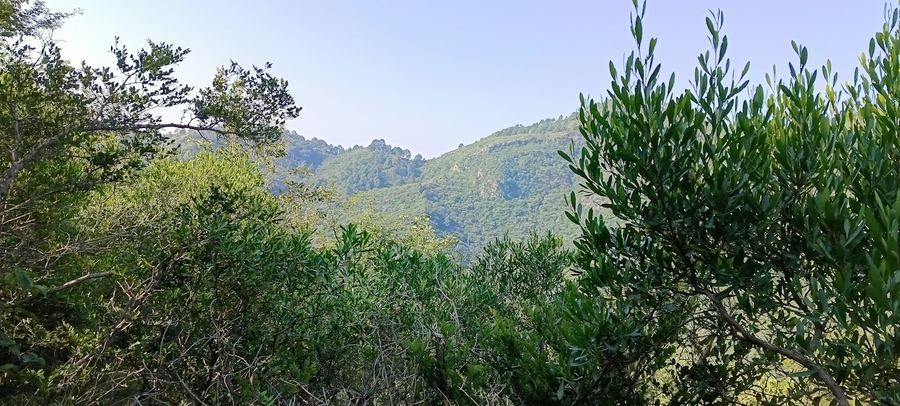
The Margalla Hills trails right above Islamabad are at their best in winter, with cool, clear mornings. They make an easy half-day hike, and the city is a sensible base for day trips to Murree and the Galiyat.
Winter events
- Chaumos (Chawmos), Kalash valleys: the Kalash winter solstice festival runs for about two weeks in December, usually ending around 22 December, in Bumburet, Rumbur and Birir. Some rituals are for the Kalash only, so stay away from any place you are asked not to enter and always ask before taking photos. Chitral is reachable in winter through the Lowari Tunnel. See our Chitral and Kalash valleys guide.
- Ski competitions at Naltar: the National Ski Championship and Shah Khan Ski Cup are usually held in January or February.
- Ice sports in Gilgit-Baltistan: in cold winters, ice hockey and small winter festivals are held on frozen lakes and ponds in parts of Hunza and Ghizer. Ask a local operator what is planned.
Exact dates for all of these change from year to year, so confirm before you book.
Practical tips for winter travel
- Motorway fog: dense fog often closes sections of the motorways in Punjab and Sindh, especially early in the morning and at night. The National Highways and Motorway Police (NHMP) advise travelling in daylight, ideally between 10am and 6pm. Call the NHMP helpline 130 for current conditions.
- Smog: in Punjab it cuts visibility and can affect your health. People with asthma or heart conditions should take particular care.
- Flights to Gilgit and Skardu: these depend on clear weather, and winter cancellations are common. Build at least one spare day into your plans, and have a road option in mind.
- Chains and 4x4: carry snow chains for Murree, Galiyat, Swat and anywhere in the north. For Naltar or icy side roads, use a 4x4 or a local jeep with a driver who knows the route.
- Warm clothing: northern nights fall well below freezing. Pack thermals, a down jacket, a hat, gloves and waterproof boots. Many guest houses rely on gas heaters or wood stoves, and power cuts are common.
- Shorter days: daylight is short in December and January. Start early, finish driving before dark, and don't plan mountain drives after sunset.
- Check the road first: look at our Road news page and local announcements before every leg of the trip. If this is your first visit, read Planning your first trip to northern Pakistan too.
Plan your trip
Winter trips work best with a local operator who knows which roads are open, which hotels are heated and when to wait out the weather. Use our tour matcher to compare companies, or browse operators for Swat, Hunza, Gilgit, Murree and the Galiyat, Chitral, Sindh, the Makran coast and Punjab.
Photo credits
Cover: Malam Jabba by Muhammad Ayan Butt via Unsplash. Naltar valley by Moez Mustafa via Unsplash. Mohenjo-daro by Noman Bukhari via Unsplash. Margalla Hills by MUHAMMAD YOUSUF ALI via Unsplash.