 For foreign visitors
Is Pakistan safe for tourists? A 2026 guide
TourScope team · 24 November 2026 · 5 min read
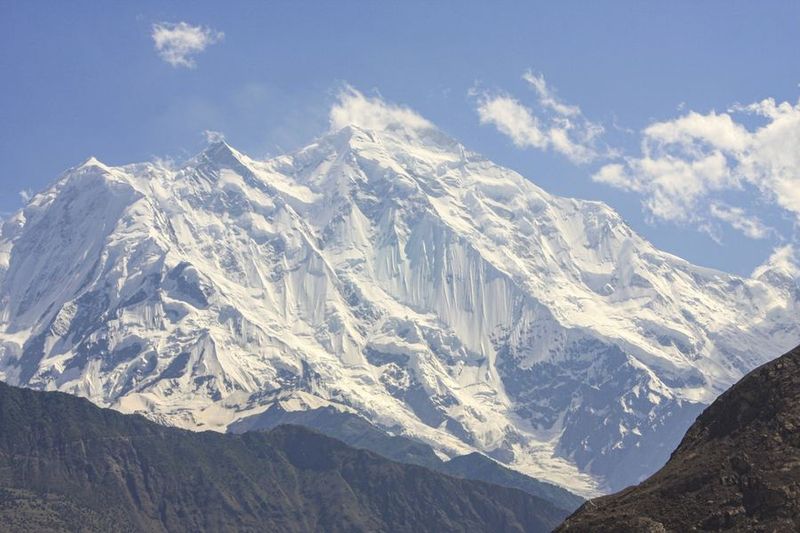
Photo: Qasim Nagori / Unsplash
What foreign governments advise about Pakistan in November 2026, which regions are fine to visit and which to avoid, and the rules foreign tourists face.
Pakistan is safe enough for most foreign tourists who stay on the main routes, such as Islamabad, Lahore, Hunza and Skardu, but large parts of the country are off-limits under Western travel advice, and the situation can change quickly. Pakistan received about 2.2 million international visitors in 2025. Most had trouble-free trips, but you need to plan carefully, check your government's advice and know which areas to avoid.
Key takeaways
- Islamabad, Lahore and Gilgit-Baltistan (Hunza, Gilgit, Skardu) are outside the UK's "advise against travel" zones as of November 2026.
- Balochistan, the Afghan border areas, much of Khyber Pakhtunkhwa (including Swat, Peshawar and the Kalash valleys) and the Line of Control are areas Western governments advise against visiting.
- Travel insurance may not cover you in areas your government advises against.
- Pakistan's free visa on arrival scheme was suspended from 1 January 2026. Apply for an e-visa online before you travel.
- A licensed local tour company helps with permits, checkposts and changes when roads or flights are cancelled.
What foreign governments say (November 2026)
Government advice is the starting point, because it decides whether your travel insurance is valid. We summarise it here, but always read the latest version before you book and again before you go.
United Kingdom (FCDO)
Last updated 18 November 2026. The UK advises against all travel to:
- Balochistan, and anywhere within 10 miles of the Afghanistan border or the Line of Control.
- Several districts of Khyber Pakhtunkhwa, including Peshawar city, Swat, Buner, Upper and Lower Dir, Bannu, Kohat, Kurram, Khyber and the Waziristans.
- The Karakoram Highway between Mansehra and Chilas (through Battagram, Besham and Dasu).
- The N45 road from Mardan to Chitral, including the Kalash valleys.
It advises against all but essential travel to Azad Jammu and Kashmir, the districts of Malakand, Mardan, Nowshera, Shangla and Swabi, northern Sindh (Nawabshah and north) and Dera Ghazi Khan. Gilgit-Baltistan, Islamabad and Lahore are not in either category. Read the UK advice.
United States
Pakistan is at Level 3, "Reconsider travel", with Level 4, "Do not travel" for Balochistan, Khyber Pakhtunkhwa (including the former tribal areas) and the area near the Line of Control. In March 2026, the US ordered non-emergency staff to leave its consulates in Lahore and Karachi. Read the US advice.
Canada and Australia
Canada advises a high degree of caution and says to avoid all travel to Balochistan, Azad Kashmir and Khyber Pakhtunkhwa (except Haripur and Abbottabad districts). It also advises against travelling by road to Gilgit-Baltistan, so Canadians are advised to fly. Australia's overall level is "Reconsider your need to travel". Canada · Australia
Region by region
Islamabad and Lahore
Pakistan's capital and its cultural capital are the usual first stops for foreign visitors. Both are busy, modern cities with good hotels, and neither is in the UK's restricted zones. Use normal city precautions, avoid large protests and follow local news. Read our guide to Lahore's Mughal heritage.
Hunza, Gilgit and Skardu
Gilgit-Baltistan is the main destination for foreign tourists, and it's outside the UK's restricted zones. It isn't risk-free:
- In March 2026, protests in Gilgit and Skardu turned violent. More than 20 people died, the army was deployed and curfews were imposed for several days. Check the news before you travel.
- The road there matters. The UK advises against the Karakoram Highway between Mansehra and Chilas, and Canada advises against travelling by road to Gilgit-Baltistan at all. Flying from Islamabad to Gilgit or Skardu avoids this, though flights are often cancelled in bad weather. In summer, many travellers drive via the Babusar Pass instead.
- Floods and landslides are a bigger everyday risk than crime, especially in July and August. See our Road news.
The last major attack on foreign tourists in the region was at the Nanga Parbat base camp in 2013. Read our guides to Hunza and Skardu.
Swat, Chitral, the Kalash valleys and Peshawar
These places are hugely popular with Pakistani tourists, but Western governments advise their citizens against all travel to them as of November 2026. In August 2026, a suicide bombing at a police station in Kabal, Swat, killed at least 14 people. Foreigners also need a No Objection Certificate (NOC) from Khyber Pakhtunkhwa for Swat, Chitral, Upper Dir and other northern areas of the province; the province launched an online NOC system in 2025.
Balochistan, the Makran coast and the border areas
Every major Western government advises against all travel to Balochistan, which includes the Makran Coastal Highway and Gwadar. The same applies to areas close to the Afghan border and the Line of Control.
Azad Jammu and Kashmir
The UK advises against all but essential travel, and Canada and the US advise against travel near the Line of Control. Neelum Valley is beautiful but lies close to the Line of Control.
Rules for foreign tourists
- Visa: apply for an e-visa at the official portal, visa.nadra.gov.pk, before you fly. The free Visa Prior to Arrival and visa on arrival schemes were suspended from 1 January 2026.
- NOCs: needed for some areas, especially in Khyber Pakhtunkhwa. A licensed tour operator can tell you which apply to your route and arrange them.
- Checkposts: you'll pass police checkposts on northern roads. Carry your passport and several photocopies of the passport and visa page.
- Trekking and climbing: treks in restricted zones and mountaineering expeditions need permits, and climbing permits come with a liaison officer. These are arranged through licensed operators. See our K2 base camp guide.
Practical safety tips
- Register with your embassy if your country offers it, and keep its emergency number saved.
- Buy travel insurance that covers your actual route, including evacuation from the mountains.
- Use a licensed tour company for the north, at least on your first trip. See our list of trusted tour companies for foreign tourists, or compare companies that run tours to Hunza and to Skardu.
- Build in spare days. Flights to Gilgit and Skardu are weather-dependent, and roads close for landslides.
- Dress modestly and respect local customs, especially in villages and at religious sites.
- Avoid political gatherings and protests.
Emergency numbers
- Police: 15
- Rescue 1122: ambulance and rescue, including all districts of Gilgit-Baltistan
- Gilgit-Baltistan Tourist Police: 1422 inside Gilgit-Baltistan
- Punjab tourist helpline: 1421
Frequently asked questions
Is it safe to travel to Pakistan right now?
For the main tourist routes, such as Islamabad, Lahore and Gilgit-Baltistan, most visitors travel without problems, but the situation can change quickly, as the March 2026 unrest in Gilgit and Skardu showed. Read your government's latest advice and follow local news right up to your departure.
Is Hunza safe for foreign tourists?
Hunza is the most visited region by foreign tourists and is outside the UK's restricted zones. The main risks are road conditions, landslides and occasional unrest in Gilgit. Flying to Gilgit, or travelling with a licensed local company, reduces them.
Can foreigners visit Swat and the Kalash valleys?
Pakistani law allows it with a No Objection Certificate, but the UK, US and Canada advise their citizens against all travel there as of November 2026, which may invalidate travel insurance.
Do I need a visa for Pakistan?
Yes. Most visitors need an e-visa applied for online before travel. The free visa on arrival schemes were suspended from 1 January 2026.