 For foreign visitors
Is Pakistan safe for women and solo travellers?
TourScope team · 24 November 2026 · 5 min read
Photo: Sohail Raza / Unsplash
Practical advice for women and solo travellers in Pakistan: where to go, what to wear, transport, hotels, handling harassment and who to call.
Yes, many women and solo travellers explore Pakistan safely, especially in Gilgit-Baltistan, but it takes more planning than most countries. Hunza is widely described as the easiest region for solo women, while large cities and conservative areas need more care. Expect staring and some unwanted attention, dress modestly, and follow the same regional safety advice as every visitor.
Key takeaways
- Start with Hunza and Gilgit-Baltistan, the region solo women travellers most often describe as welcoming and relaxed.
- Dress modestly: loose clothes covering shoulders and legs, and carry a scarf for mosques and rural areas.
- Careem and Uber no longer run ride-hailing in Pakistan. Use inDrive or Yango in cities.
- Book mid-range hotels. Some budget places refuse solo women.
- Save the helpline numbers below before you travel.
Check the regional advice first
Everything in this guide sits on top of the general safety picture: Western governments advise against travel to Balochistan, the Afghan border areas, much of Khyber Pakhtunkhwa and the Line of Control. Read our guide Is Pakistan safe for tourists? for the regional details and visa rules.
What governments say about women travellers
Canada (October 2026) says women travelling alone may face harassment and verbal abuse, that gender-based violence is common in Pakistan, and advises avoiding travelling alone, especially at night, dressing conservatively and carrying a headscarf. The UK advises that men and women cover their shoulders and legs in public, and that women cover their heads in mosques, holy places and rural areas.
Where women and solo travellers feel most comfortable
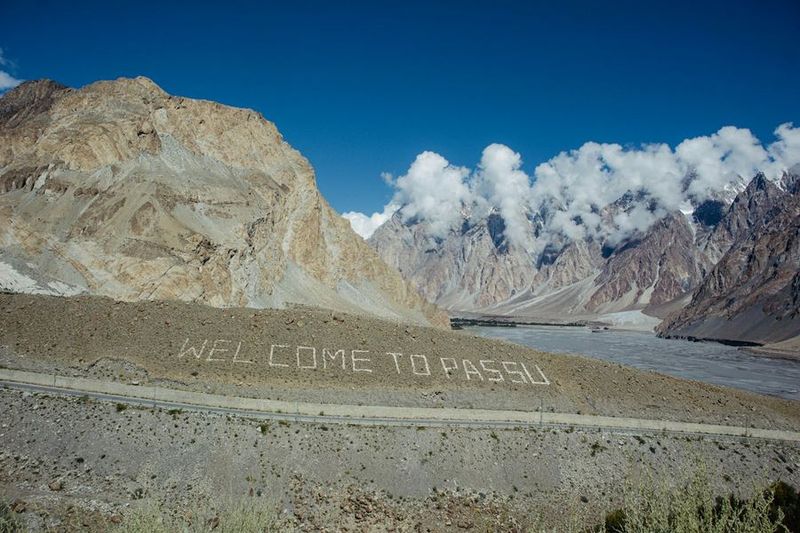
- Hunza is the region most often recommended for solo women. Local women run shops, cafés and guesthouses and mix freely in public, and many travellers find it relaxed. See our Hunza guide.
- Wider Gilgit-Baltistan, including Skardu and Gilgit, is generally welcoming, though more conservative than Hunza.
- Islamabad and Lahore are busy, modern cities; the wealthier neighbourhoods are easier for women on their own than old bazaars and crowded markets.
- Khyber Pakhtunkhwa is the most conservative province and, along with its security situation, the hardest for women travelling alone.
What to wear
There's no legal dress code for women, and you don't need to wear a hijab or abaya. In practice, a shalwar kameez (loose trousers with a long tunic) is the most comfortable choice, and it's cheap to buy locally. Wear loose tops with at least half sleeves, avoid shorts (for men too), and carry a dupatta or scarf to cover your head at mosques, shrines and in rural villages. Covering your head in a crowded bazaar also tends to reduce stares. On treks in Gilgit-Baltistan, normal hiking clothes are fine.
Getting around
- In cities: Careem stopped ride-hailing in Pakistan in July 2025, and Uber closed its own app in 2024. inDrive and Yango are now the main ride-hailing apps; share your live trip with someone you trust.
- Women-only buses: Karachi has a Pink Bus on its Green Line, and Quetta launched one in December 2025.
- Long-distance buses: NATCO runs buses from Rawalpindi and Islamabad to Gilgit and Skardu, taking around 20 to 24 hours to Gilgit. On buses, women usually sit next to other women, so solo women are often given front seats. Carry copies of your passport for checkposts.
- Flying to Gilgit or Skardu saves a long road journey, but flights are often cancelled in bad weather, so leave spare days.
- Avoid travelling alone at night, especially on long road journeys.
Food and restaurants
Many restaurants and roadside dhabas have a "family" section, upstairs, at the back or behind a curtain, where women and families sit. Solo women are usually shown there. In Hunza and in modern city cafés, seating is mixed.
Hotels and guesthouses
Some cheap hotels refuse rooms to solo women, so mid-range hotels and well-reviewed guesthouses are the safer choice; this is much less of a problem in Gilgit-Baltistan. Hotels register guests, including foreigners, with the police in some provinces, such as Punjab, so expect to show your passport. See our guide to the best hotels in Hunza, Skardu, Swat and Murree.
Dealing with harassment
The most common problems women report are staring, comments and, occasionally, groping in crowds. Travellers who have spent time in Pakistan suggest:
- Make a scene if someone touches you. Saying loudly what happened usually brings help from people around you.
- Don't give your phone number or social media to men you've just met.
- Be friendly but reserved. Lots of smiling can be misread.
- Politely decline selfies with lone men or groups of young men.
- Saying you're married often ends unwanted questions.
Travelling with a women-led tour or guide
Women-led tourism is growing, especially in Hunza. A 2025 Dawn feature profiles Hunza guide Tabassum Saher, who won Best Tour Guide at the 2024 National Tourism Awards, tour operator Zeba Batool in Gilgit-Baltistan, women-run businesses such as the Korgah Carpet Centre in Gulmit, and companies that use female guides. Asking a tour company for a female guide is a reasonable request. A licensed company also helps with checkposts and transport; see our list of trusted tour companies for foreign tourists or compare companies that run tours to Hunza.
Helplines and emergency numbers
- Police: 15. In Punjab, 15 also connects to the Virtual Women Police Station.
- Rescue 1122: ambulance and rescue
- [Punjab Women's Helpline](https://pcsw.punjab.gov.pk/node/61): 1043 (24 hours, answered by women)
- Madadgaar National Helpline: 1098, for women and children facing violence
- Gilgit-Baltistan Tourist Police: 1422 inside Gilgit-Baltistan
- Punjab tourist helpline: 1421
Also save your embassy's emergency number.
Frequently asked questions
Is it safe for a woman to travel alone in Pakistan?
Many women do, especially in Gilgit-Baltistan, and most report warm hospitality. Expect staring and some harassment in crowded places, dress modestly, avoid travelling alone at night and follow your government's regional advice.
Do women have to cover their hair in Pakistan?
Not by law. Women should cover their heads in mosques and shrines, and a scarf is respectful in rural and conservative areas.
Where do solo women travellers usually feel most comfortable in Pakistan?
Hunza, in Gilgit-Baltistan, is the place most often recommended for solo women: it's relaxed, women are visible in public life, and guesthouses are used to independent travellers.
Can I use Uber or Careem in Pakistan?
No. Careem stopped ride-hailing in Pakistan in July 2025, and Uber closed its own app in 2024. Use inDrive or Yango instead.