 Travel tips
How to choose a tour company in Pakistan: a checklist before you pay
TourScope team · 19 November 2026 · 7 min read
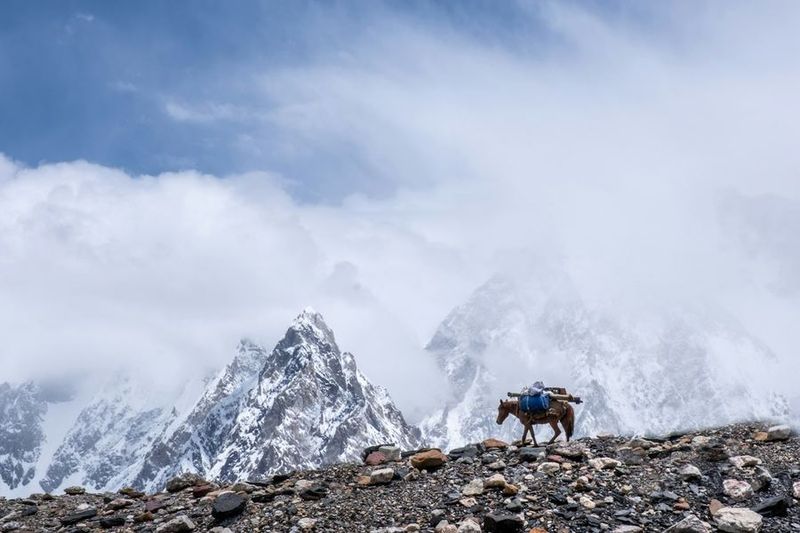
Photo: Sohail Raza / Unsplash
Licences, PATO membership, reviews, written itineraries, deposits, weather policies and red flags: a practical checklist for domestic and foreign travellers before booking a tour in Pakistan.
Most tours in Pakistan go well. But every season brings stories of travellers left without a hotel, a jeep that never turned up or a deposit that vanished. A few checks before you pay can save you a lot of trouble. This checklist works for domestic travellers and foreign visitors alike.
1. Check the licence
Tour operators in Pakistan are licensed by government tourism bodies. Historically this was the Department of Tourist Services (DTS), and today the provinces and regions run their own licensing. Ask any company for its licence number and the authority that issued it. A genuine operator will give you both without fuss.
How you check that number depends on the province, and the systems are changing:
- Punjab: the Punjab DTS has an online registration portal and has published lists of renewed licences on its website (dts.punjab.gov.pk). If you can't find a company there, contact the department directly.
- Khyber Pakhtunkhwa: the KP tourism authority now requires tour operators, travel agents and guides to register and hold a digital licence, and has said it will take legal action against unregistered businesses. We could not find a public search tool, so the safest way to confirm a licence is to ask the authority.
- Gilgit-Baltistan: the GB Travel Agencies and Tour Operators Act 2020 says no one may operate as a tour operator without a licence, and in 2025 the GB government publicly advised tourists to avoid unregistered operators and guides. Operators and guides must show their licence on request, and the GB tourism department has published a list of registered operators.
- Sindh: the Directorate of Tourist Services, part of Sindh's Culture, Tourism, Antiquities and Archives Department, regulates the travel trade. We found no online lookup, so contact the directorate to confirm a licence.
A licence doesn't guarantee a good trip, but no licence at all is a serious warning sign.
2. Ask about PATO membership
The Pakistan Association of Tour Operators (PATO) is the main national trade body for tour operators. It describes itself as having over 200 member companies, and membership is generally open to licensed operators. You can check claims against the members directory on PATO's website.
Membership is a reasonable sign that a company is established and part of the industry. It is not a quality guarantee, an insurance scheme or a refund fund. Many good small operators are not members, so treat it as one signal among several.
3. Read reviews properly
Check Tripadvisor, Google and Facebook, and read the reviews rather than just the star rating.
- Read the recent ones. A company that was great five years ago may have changed owners or staff.
- Read the bad ones. How did the company reply? A calm, specific answer is a good sign. Insults or silence are not.
- Spot fakes: lots of five-star reviews posted within a few days, vague praise with no names or places, reviewers with no other activity, and the same phrases repeated across reviews.
- Look for detail: names of guides and hotels, and what happened when something went wrong.
4. Get a written itinerary
Never pay on the strength of a phone call. Ask for a written itinerary, by email or as a PDF, that sets out day by day what is included and what is not:
- Hotels: names, not just "3-star" or "standard". Look them up yourself.
- Transport: vehicle type and model, whether it is shared or private, and whether jeeps for routes such as Fairy Meadows, Deosai or Shimshal are included or extra.
- Meals: which ones are included each day.
- Guide: whether you get a guide or just a driver, and which languages they speak.
- Permits and entry fees: national park fees, fort and museum tickets, and any permits your route needs.
- Exclusions: tips, extra jeep hire, rescue costs, flights and personal expenses.
5. Pay safely
- Pay a reasonable deposit, not the full amount, unless there is a clear reason (some flights or peak-season hotels must be paid early).
- Pay by bank transfer to a company account in the business's name. Be wary of requests to send money to a personal account or a mobile wallet in someone else's name.
- Get a receipt or invoice showing the amount, date, trip and balance due.
6. Read the cancellation and weather policy
Weather disrupts trips in the north every year. Islamabad–Skardu and Islamabad–Gilgit flights depend on clear skies and are often cancelled. Landslides block the Karakoram Highway and other mountain roads, especially after heavy rain. Before you pay, ask in writing:
- What happens to my deposit if I cancel, and when does it become non-refundable?
- If a flight is cancelled, will you switch me to road transport, and who pays for the extra night?
- If a road is blocked, what is the plan and who covers the cost of waiting?
- If you cancel, do I get a full refund?
Build a spare day into any trip that relies on mountain flights, and check our Road news page before you travel. For cold-season trips, read our winter travel guide.
7. Group size, vehicles and drivers
Ask how many people will be in the group and what vehicle you will use. Ask about the vehicle's age and condition, and whether it has working seat belts.
The driver matters most of all. Mountain roads in Gilgit-Baltistan, Chitral and Kashmir are narrow, with sheer drops and changing surfaces. Ask whether the driver has experience on your route, and how many hours a day they will drive. Be wary of itineraries that cram too much in.
8. Safety equipment and first aid
A responsible operator should carry a first aid kit and, on high routes, know the signs of altitude sickness.
9. Treks and expeditions
- Licensed guides and porters. Ask for the guide's licence or registration. Unregistered guides have been linked to groups that ignore basic safety rules.
- Insurance. Gilgit-Baltistan's tourism department says a company will not get a climbing permit until valid insurance certificates for all porters and local mountaineers are submitted. Ask your operator to confirm this, and make sure your own travel insurance covers trekking at your altitude and emergency evacuation.
- Rescue arrangements. Mountaineering expeditions have traditionally had to lodge a guarantee for helicopter rescue, and helicopter rescue in Pakistan is limited by weather, altitude and availability. Ask your operator exactly what is in place, in writing. Don't assume a helicopter will come.
10. Permits for foreign visitors
Most popular places in northern Pakistan don't need a special permit, but some areas near borders are restricted, and some treks and all mountaineering peaks need permits arranged through a licensed operator. Ask the company which permits or NOCs your route needs, who applies for them, how long it takes and whether the cost is in the price. Our guide to planning a first trip to northern Pakistan covers visas and the basics, and you can browse companies for foreign tourists.
Red flags
- Prices far below everyone else's. Something is being cut: the hotel, the vehicle, the driver's rest or the permits.
- No fixed address, or an address you can't find on a map.
- Pressure to pay now, such as "only two seats left, send the money today".
- WhatsApp only: no website, no email, no company account and no written itinerary.
- No licence number, or vague answers when you ask for one.
- Payment to a personal account in a name that doesn't match the company.
Where to complain
Start with the company and keep the conversation in writing. If that fails, contact the tourism department or authority of the province or region where the company is licensed; you can also report unregistered operators to them. Consumer protection laws offer another route: consumer courts in Punjab, for example, have ruled against travel and tour companies under the Punjab Consumer Protection Act 2005. Other provinces have their own consumer laws and procedures, so check which applies to you. Keep your receipts, itinerary and chats as evidence.
How TourScope can help
TourScope brings public information about tour companies together in one place. Where we can find it, a profile shows its licence number, PATO membership, ratings from other sites such as Google and Tripadvisor, and reviews.
To be clear about what we do and don't do: TourScope compiles public information. We don't inspect companies, verify their licences with the authorities or endorse any operator. Information can go out of date, so always confirm a licence and the details of your trip with the company and the relevant authority before you pay. You can read more on our How rankings work page, and if you spot something wrong on a profile, please Contact us.
Find a company
Browse all companies to compare licences, memberships and ratings, or use our tour matcher to find operators that fit your route, dates and budget.
Photo credits
Cover photo by Sohail Raza via Unsplash.